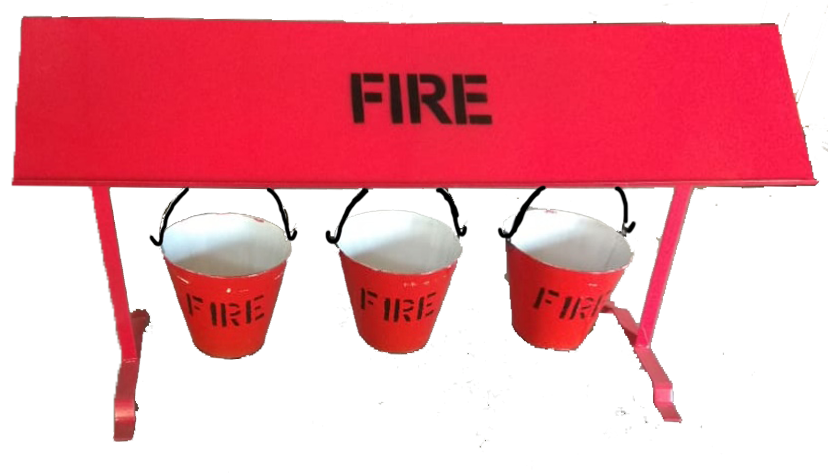
A Hydrant System is a vital component of any fire safety infrastructure, providing immediate access to pressurized water to combat large fires.
| Size | US | Bust | Waist | Low Hip |
|---|---|---|---|---|
| XS | 2 | 32 | 24-25 | 33-34 |
| S | 4 | 34-35 | 26-27 | 35-26 |
| M | 6 | 36-37 | 28-29 | 38-40 |
| L | 8 | 38-29 | 30-31 | 42-44 |
| XL | 10 | 40-41 | 32-33 | 45-47 |
A Hydrant System is a vital component of any fire safety infrastructure, providing immediate access to pressurized water to combat large fires. Designed for high-risk areas such as commercial buildings, factories, and public spaces, this system enables quick and continuous water flow for effective fire suppression.
Key Features:
Underground or wall-mounted hydrants connected to a powerful water source
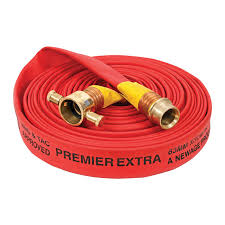
Network of pipes, valves, and hoses to distribute water efficiently
Automatic or manual pump systems to maintain consistent pressure
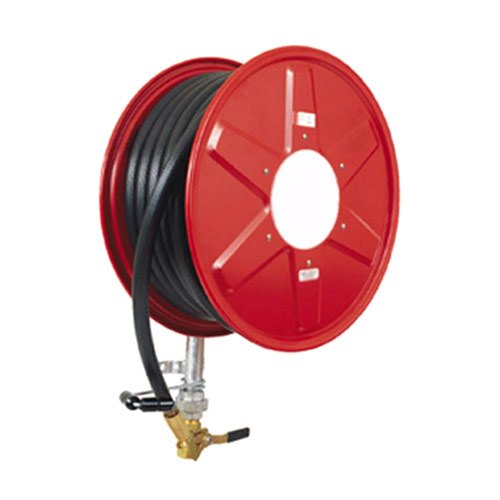
Fire hose reels and landing valves for quick deployment
Control panels and pressure gauges for real-time monitoring
Complies with IS: 3844, NFPA, and local fire safety regulations
System Components Include:
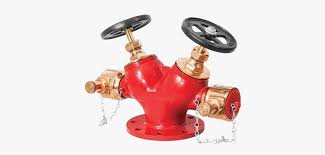
Fire hydrant valves (landing valves)
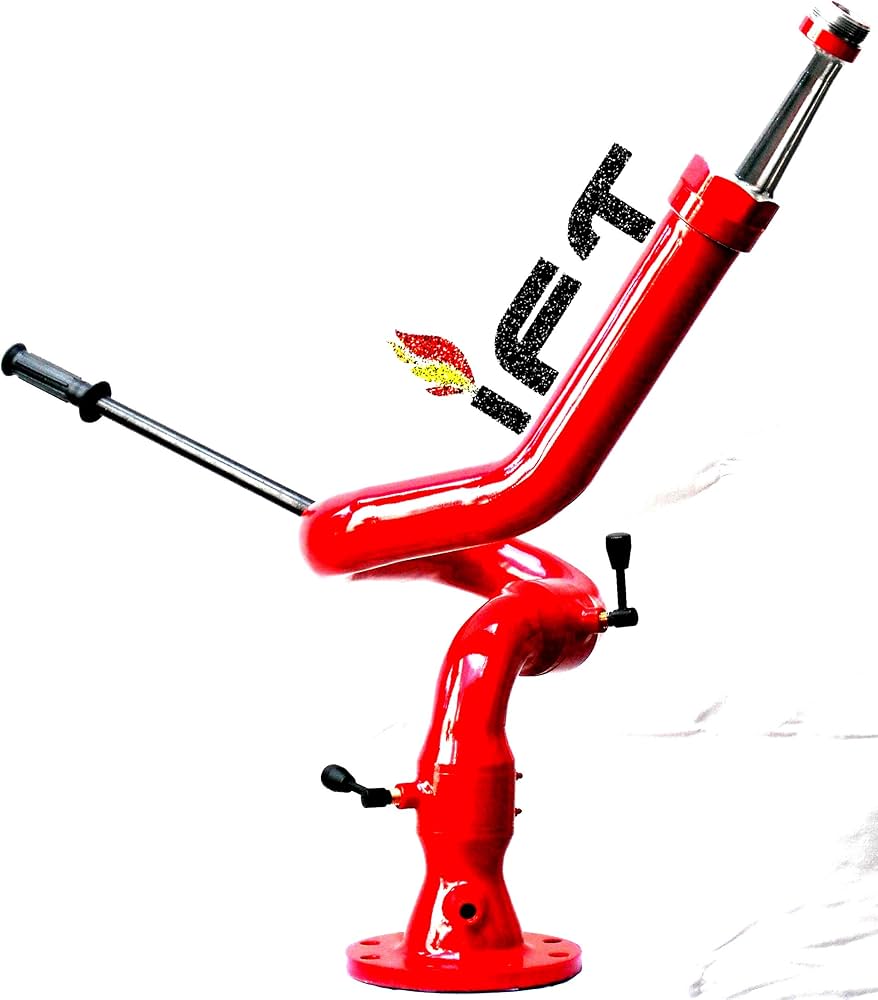
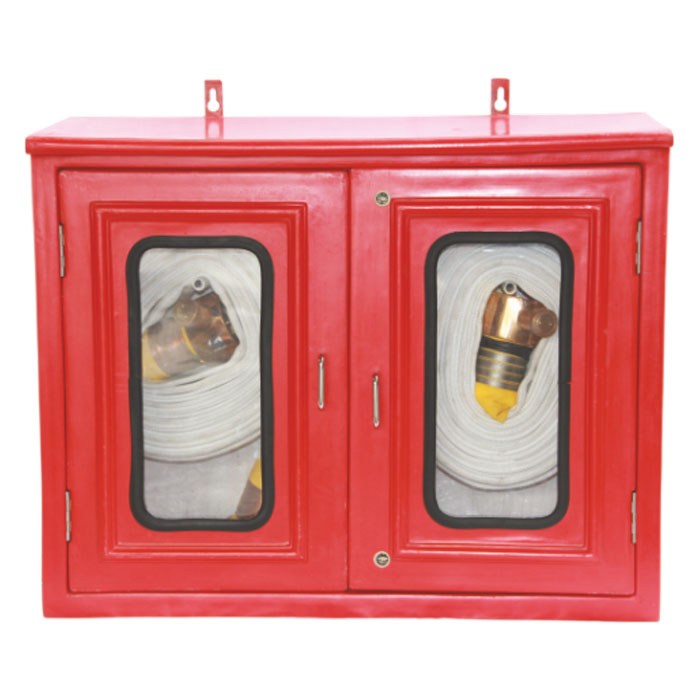
Hose pipes and nozzles
Hose reel drum
Fire pump and jockey pump
Main and standby pump with diesel or electric motor
Water storage tank
Ideal For:
Industrial complexes and manufacturing units
Commercial high-rises and shopping malls
Educational institutions and hospitals
Residential societies and government buildings
Why Install a Hydrant System?
✅ Provides immediate, high-volume water supply during fire outbreaks
✅ Covers extensive areas across buildings or premises
✅ Essential for fire safety compliance and insurance
✅ Offers robust support for emergency firefighting teams
Stay fully prepared for fire emergencies with a Hydrant System — your first line of defense against large-scale fire hazards.



















.jpg)